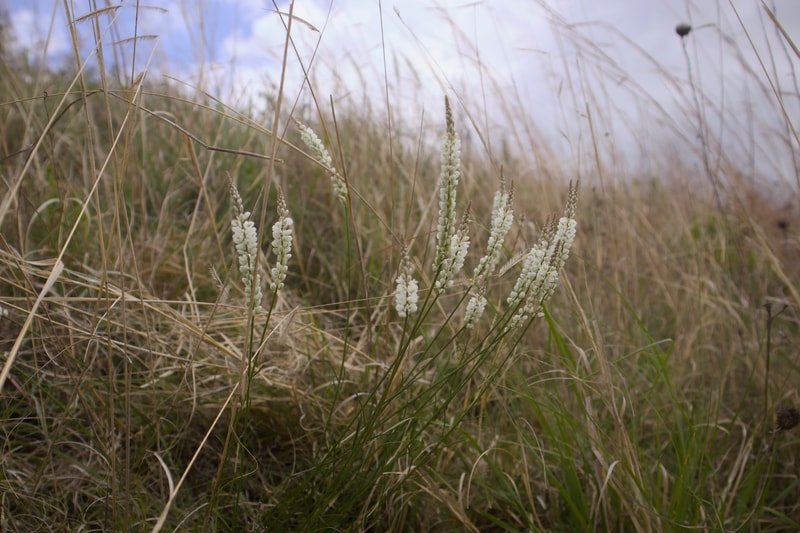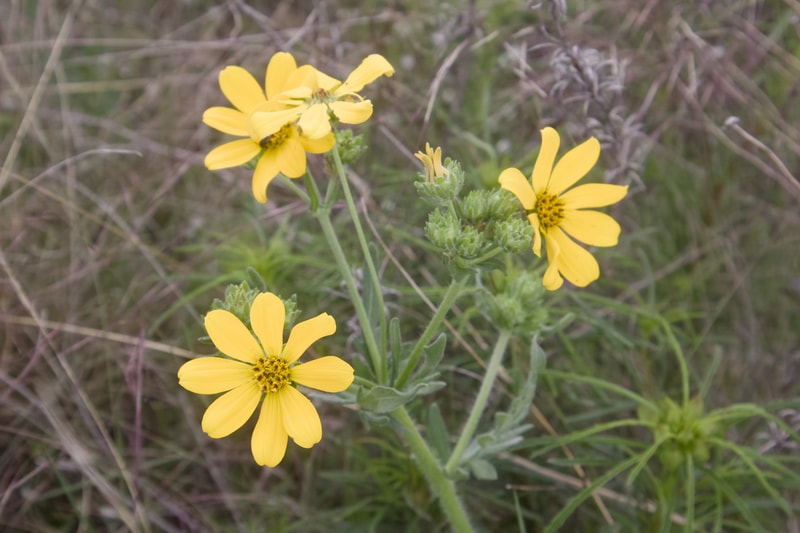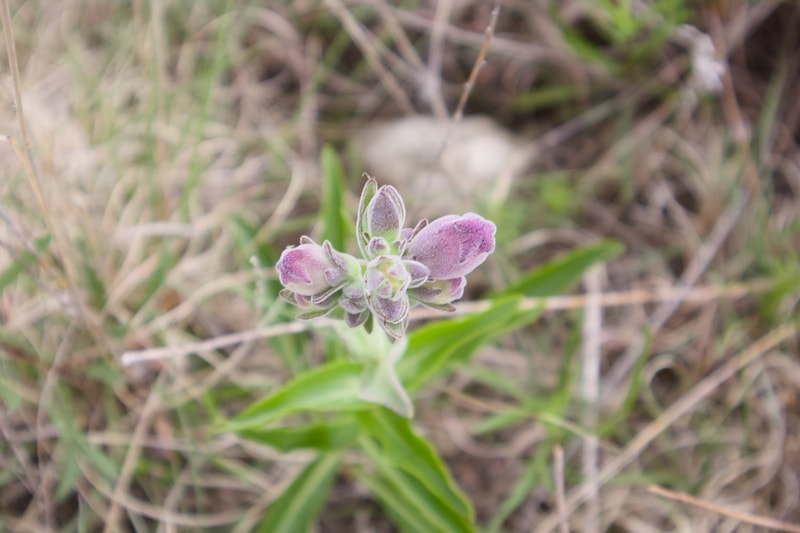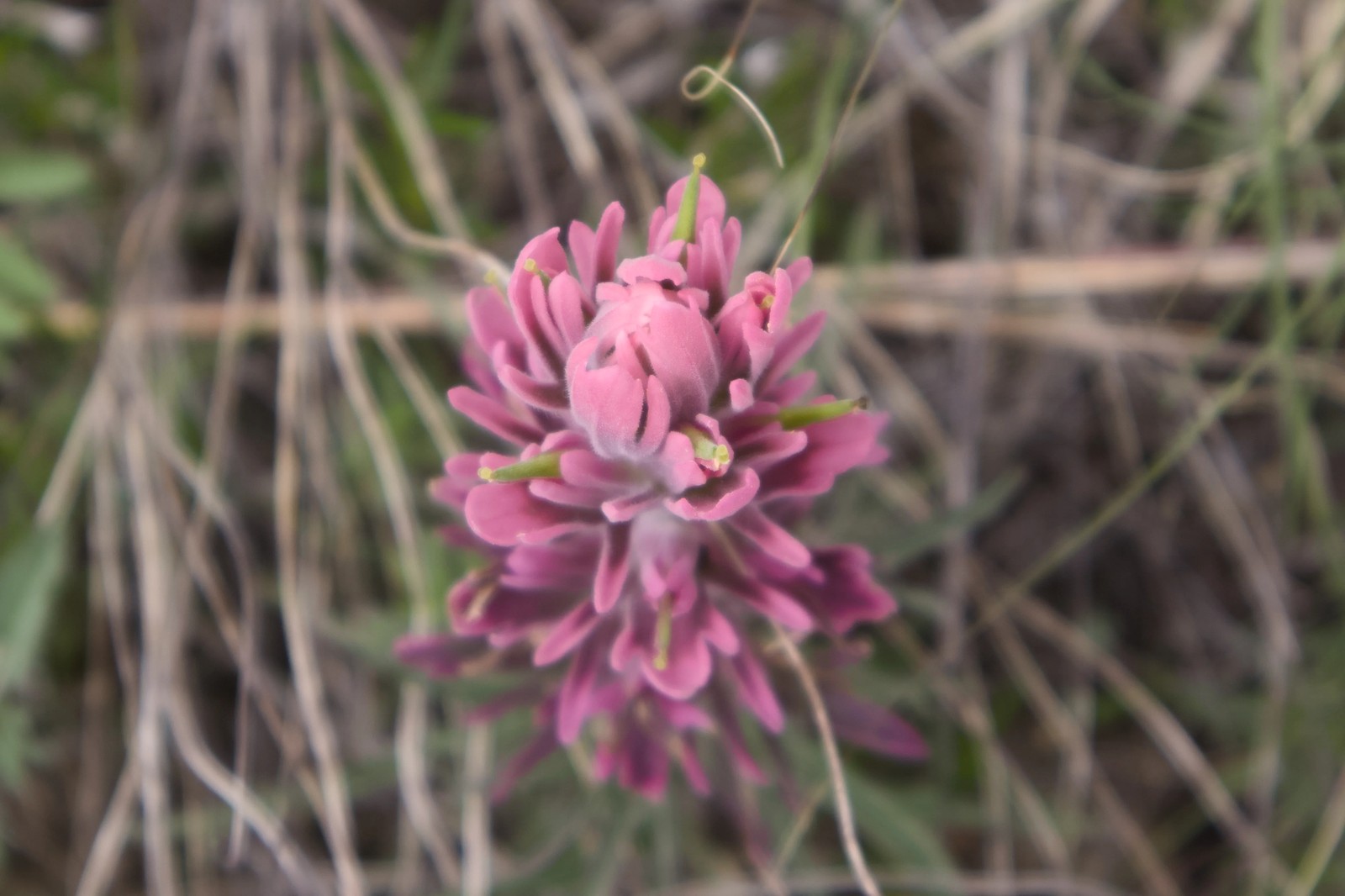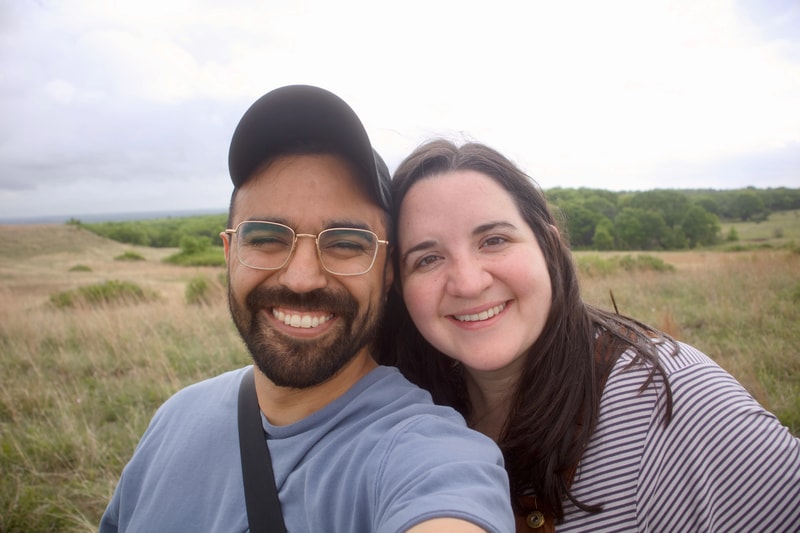
A couple of weeks ago, my wife Tiffany and I visited the LBJ National Grasslands as part of a small group of people interested in “wildflowering.” We like learning about flowers, but we didn’t know that “wilderflowering” was a verb until this trip.
I thought this trip was going to be more of humdrum kind of experience. Just hike up and down trails, looking at fields of lots of pretty flowers everywhere, take some photos, but keep hiking to some agreed upon end. It was not really like this at all.
The group was small, about 10 people. We were led by Mary, a woman of some 40 years of experience with wildflowers, and particularly with the flowers of this piece of land she would be guiding us through. She and everyone else in our group were dressed up in cool outdoor gear, complete with those brown hats with the floppy brim and the little tie to cinch up below your chin. They all looked like professional wildflower-ers. Even my wife was in her nice gardening overalls. But I was wearing jeans and a t-shirt. At least I wore my hiking boots I found in a clearance rack a few years ago.
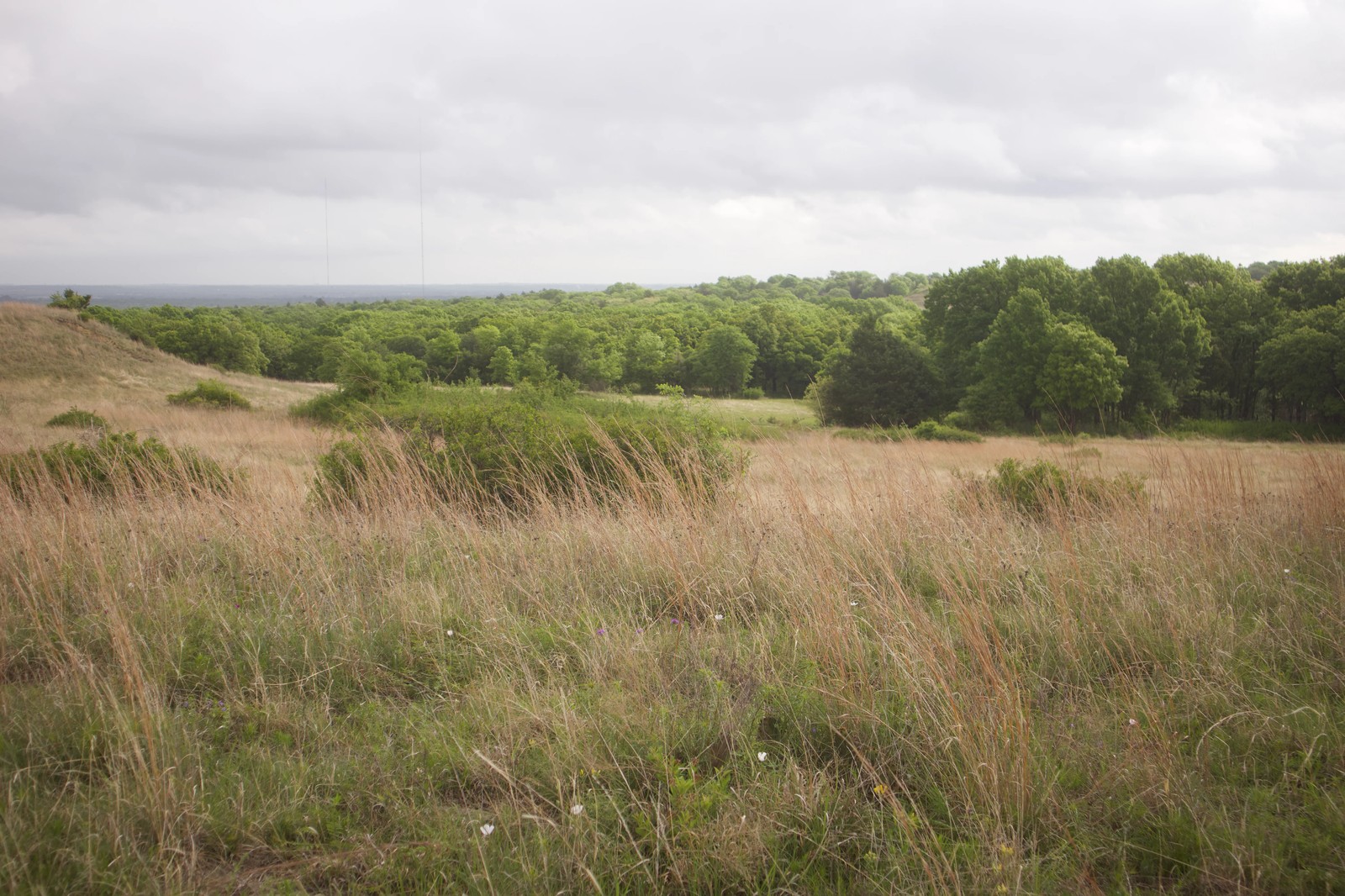
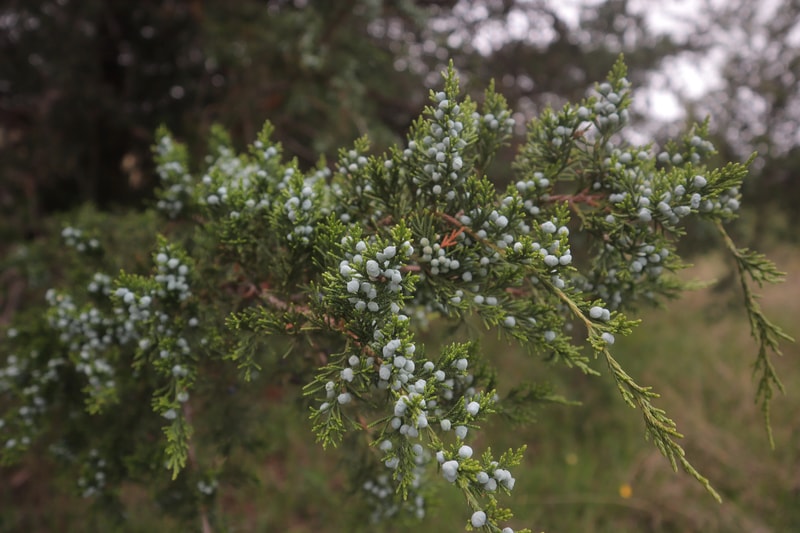
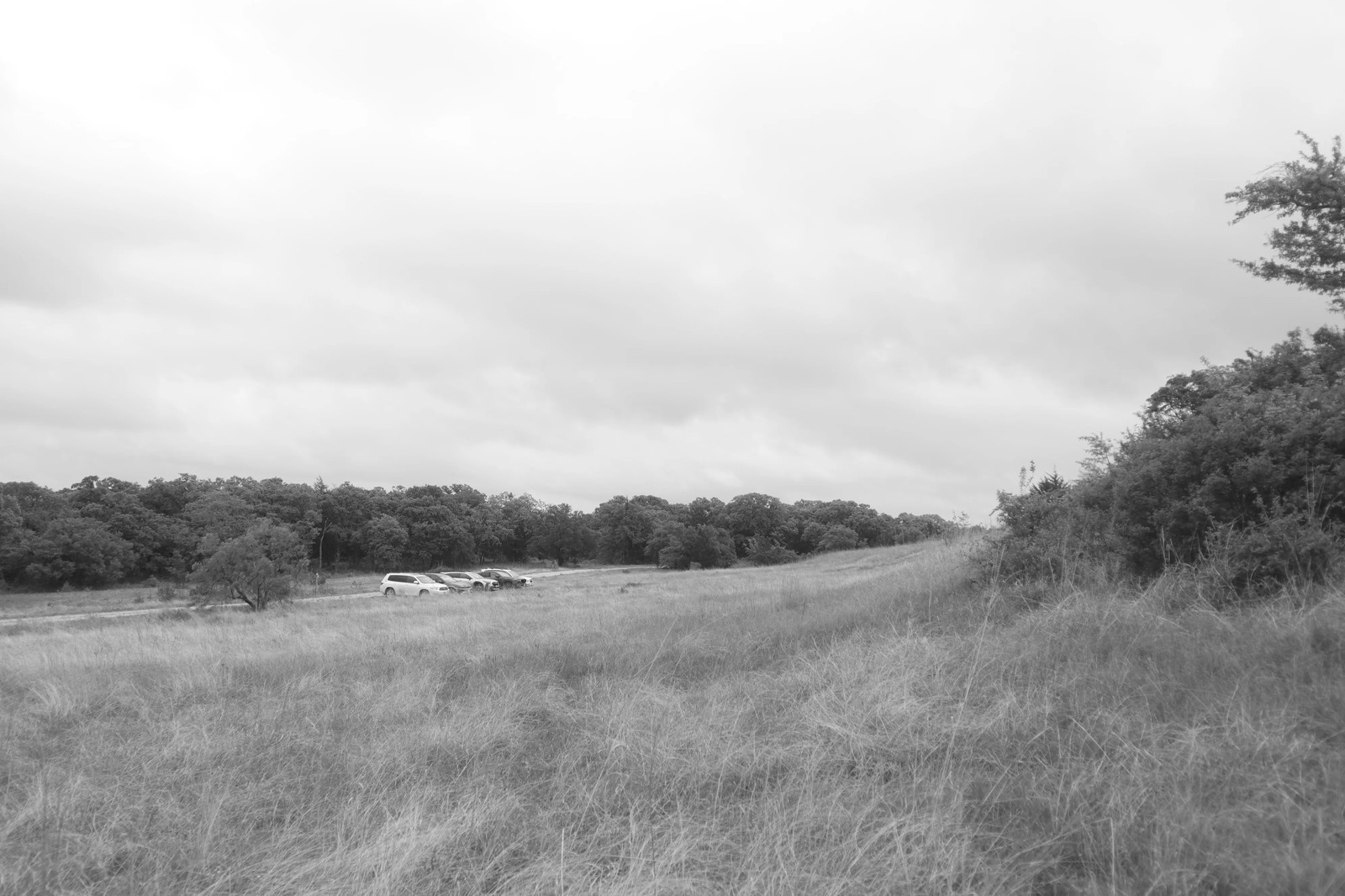
We caravanned down a bumpy dirt road past the gated fence and eventually parked at a place where there were no parking spaces, just space to roll your car on top of. Lots of thigh-high gray/blue grasses everywhere. Tiffany let me know these grasses were Little Blue Stem, native to Texas. (Reminded me of my favorite Jacob Collier song, Little Blue.)There was a ridge to our left crowned by a few clumps of trees. Eastern Red Cedars, mostly. The land then spread out ahead and to our right, where the road curved around. There was a hill rising ahead of us with some kind of overlook. I wasn’t seeing any wildflowers, though.
Mary led the way as we waded through the grasses. I was prepared to hike to some point further up and further in, imagining those fields full of very obvious wildflowers. But about twenty feet from our cars Mary stooped low to the ground, and so did the rest of the company, and pointed to a small purple flower in bloom – a Shooting Star.
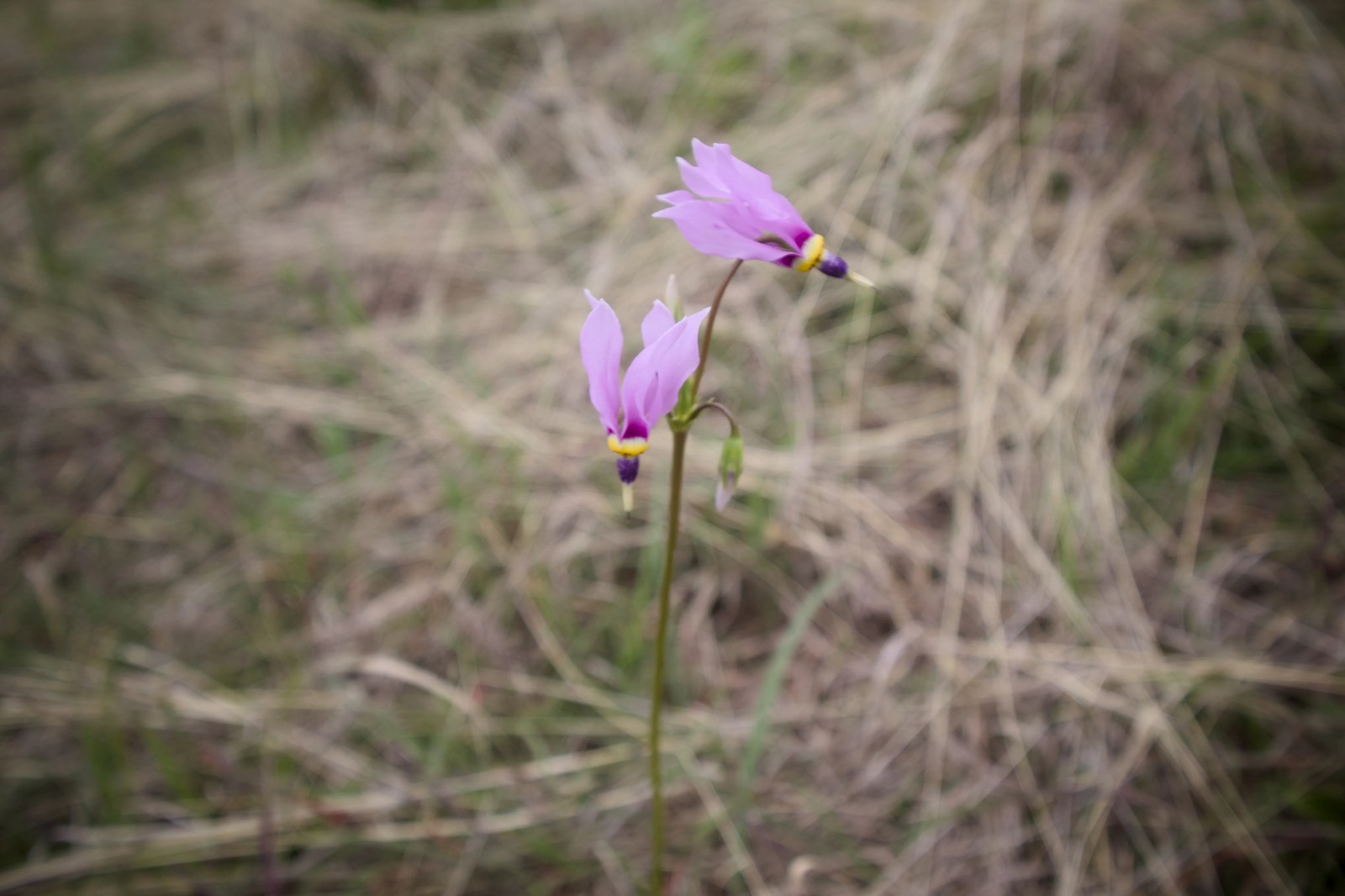
The group hovered around this flower for longer than Tiffany and I thought they would. I was thinking, “Cool little flower. Named after a meteorite burning up in our atmosphere. I can sort of see what they were going for there. It’s pretty.” I was already looking around to where we were headed to next.
Then we started moving again… but only for about 10 more feet. Someone pointed out another flower, and everyone noted their guesses of what it might be. However, Mary, with her deep knowledge of this place, spouted off the exact Latin genus and common name.
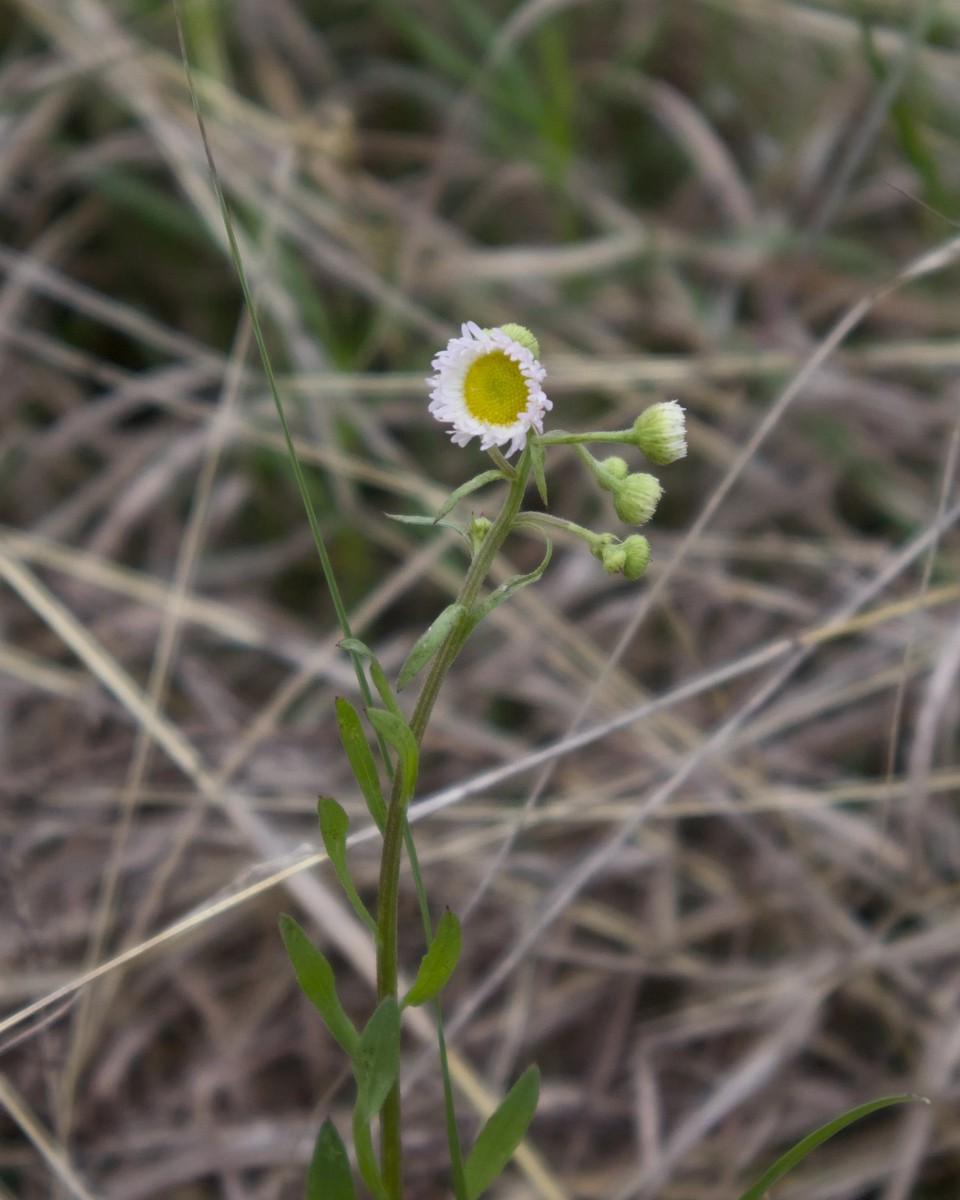
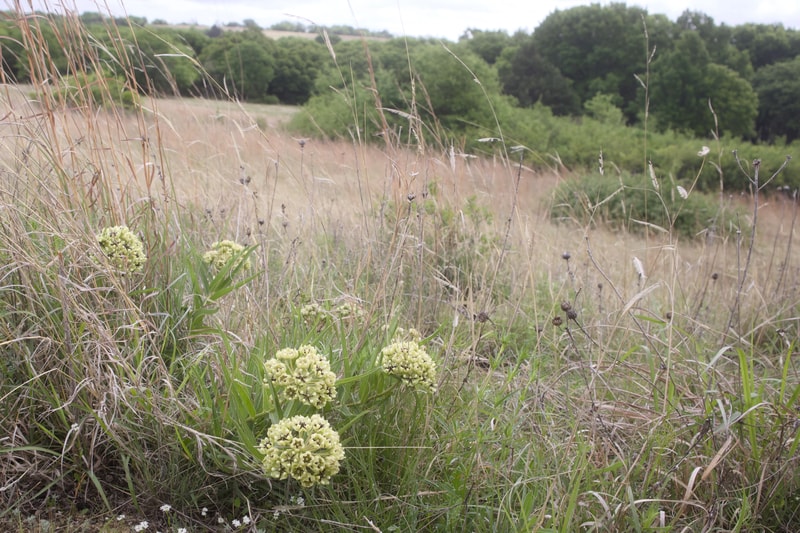
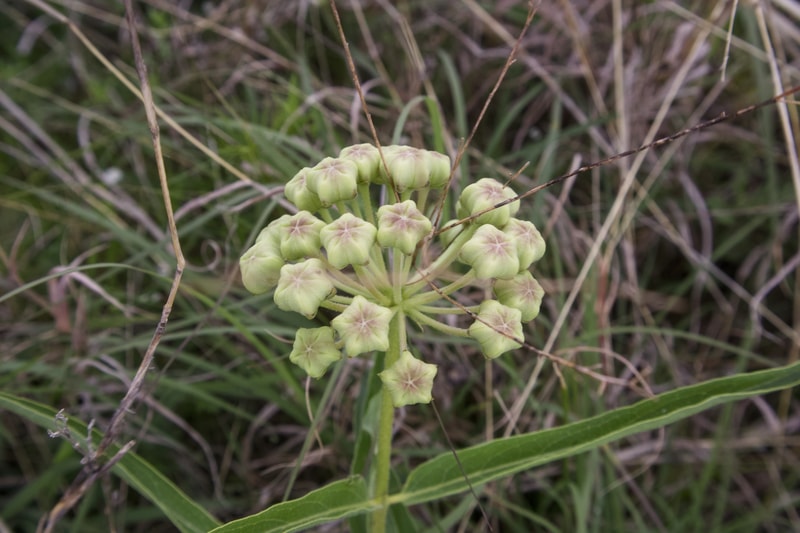
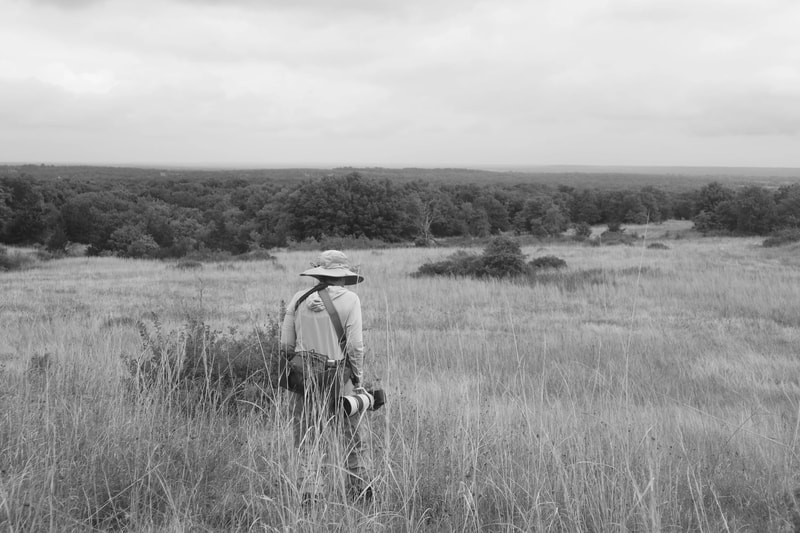
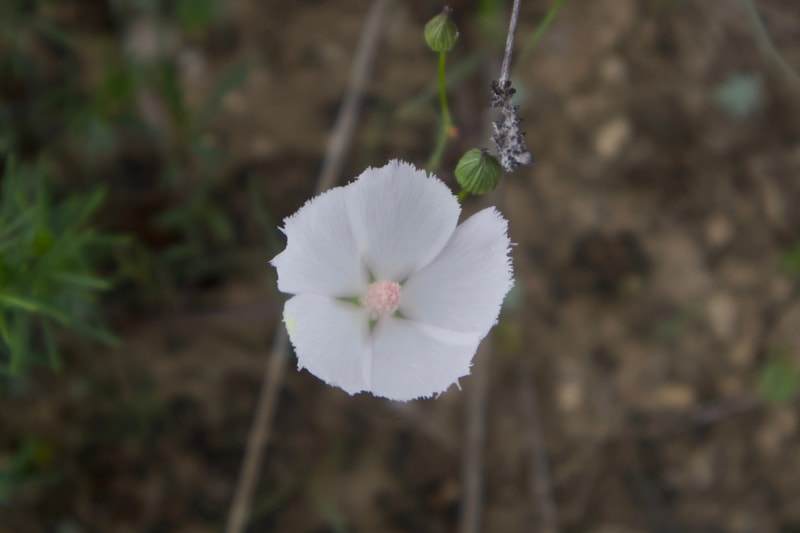
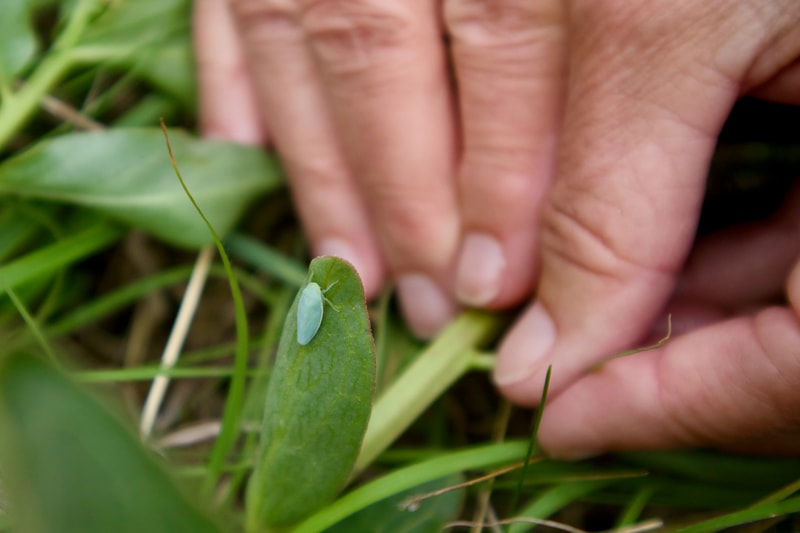
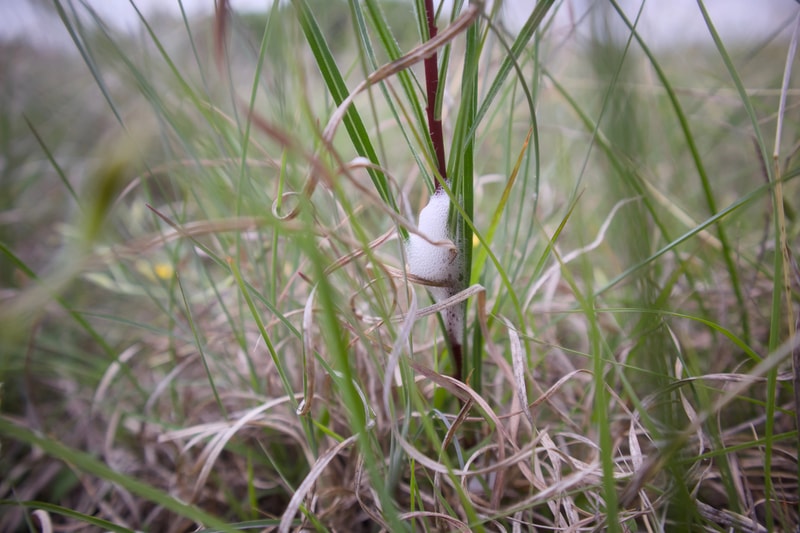
I kid you not, the entire three-hour trip went like this. Everyone experienced in this sort of thing was just combing their way slowly through the grass, calling out if they had spotted a flower in bloom, or the buds of a flower almost in bloom. The group of individuals would gather around, talk about how they had seen this one or that one some place else, or how it looked similar to one they had in their own yard, tenderly examine the flower, take photos, and then move on a little more to another hidden beauty waiting to be discovered. Some people were even using binoculars or long zoom lenses to get a closer look at something on the ground below their feet. I’ve never even thought to do that.
By the time 20 minutes had gone by, we had only gone maybe 100 feet from where we parked.
It probably took me 30-40 minutes to finally settle into what was happening. I work in a fast paced environment where we are trained to multitask, anticipate questions, be a step ahead… but I had to slow down to catch up to this group. I would have passed over a multitude of little wonders (another title of a song, this time from an underrated Disney movie) were it not for the example of these women and men who showed me how to stop, stoop, and really look. There is so much to discover right under our feet.
See more images at the end of this post.
I learned the term “infraordinary” recently from a quote by a writer who wrote a book called An Attempt at Exhausting a Place in Paris. Over the course of three days, George Perec experimented with trying to notice as much as he could from his seated position at a table looking out a café window. Apparently, in those mere three days, he noticed enough to fill a book.
If extraordinary is beyond, outside ("extra-" means "out") of the ordinary, and ordinary is just the normal world we live and breathe – what happens “in order,” and therefore becomes just what we expect – then infraordinary is that which is deep down within the ordinary, the millions of tiny things we don’t even think to notice.
The infraodinary is the million, small, moment-by-moment, Higgs boson particle sized space-time pieces that make up what we end up experiencing and calling “ordinary.” If a teaspoon of pond water contains something like a billion microscopic organisms, imagine how much an inch of our lives contain if we could see with spiritual eyes. Or even with just with our physical two eyes, for that matter.
By the time the trip was over, we had spent three hours examining the grounds of the outer rim of a semi-circle no bigger than half a mile. And we were filled with gratitude for and amazement of what we saw.
Going wilderflowering, I started to understand what Barbara Brown Taylor wrote about in her piece, The Lowdown on Beauty. She talks about an experience of her sitting in her backyard, noticing the small things in her yard, the bugs, the petals on flowers, the tree bark, etc. She was overwhelmed by what she saw. The more she looked, the more she saw, and realized how much more there was yet to be seen. She noted:
There were a thousand more things to see that I had to pass right by. Every one of them offered me a romance I had to decline. Otherwise, the work would never get done, the email would never be answered. Maybe this is why so many of us choose the big picture over the small one? Who has time for so much beauty?
What would it be like if we could inhabit time enough to see the individual drops of water that make up the white foam of a cresting wave or waterfall, or count all the glassy grains of sand and dirt in an ant hill, or number the various hues and shades of colors there are to see in a field of tiny wildflowers? I think we would be overwhelmed, too. So, best to take it slow, noticing the little galaxies of wonders in your own backyard from time to time.
Let the infraordinary of wildflowers cause you to wonder at the beauty hidden just below the surface of your own ordinary life.
And for all this, nature is never spent;
There lives the dearest freshness deep down things…
– Gerard Manley Hopkins, “God’s Grandeur”
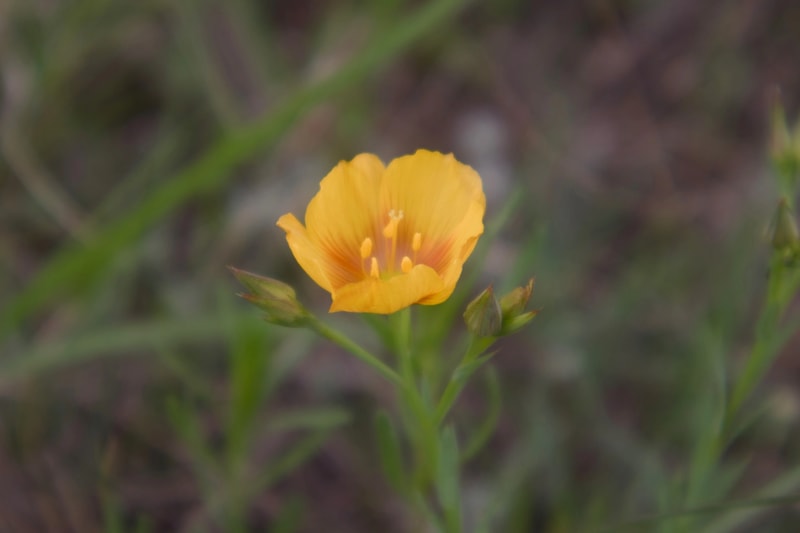
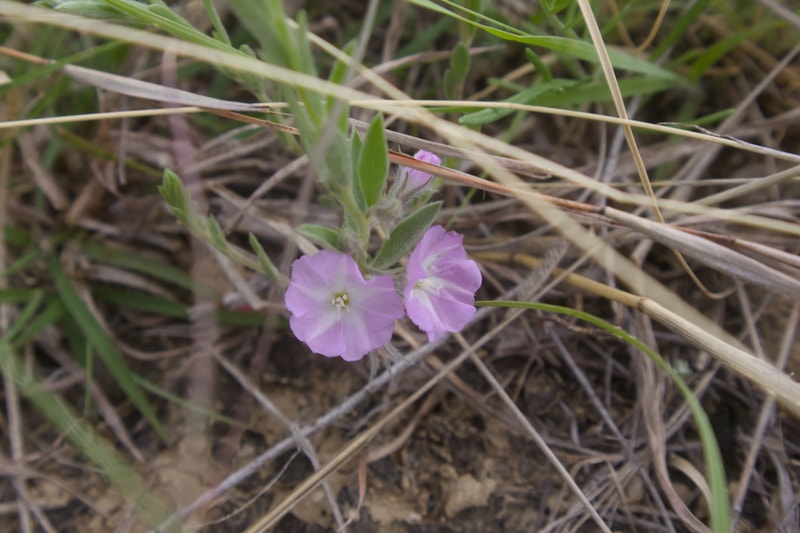
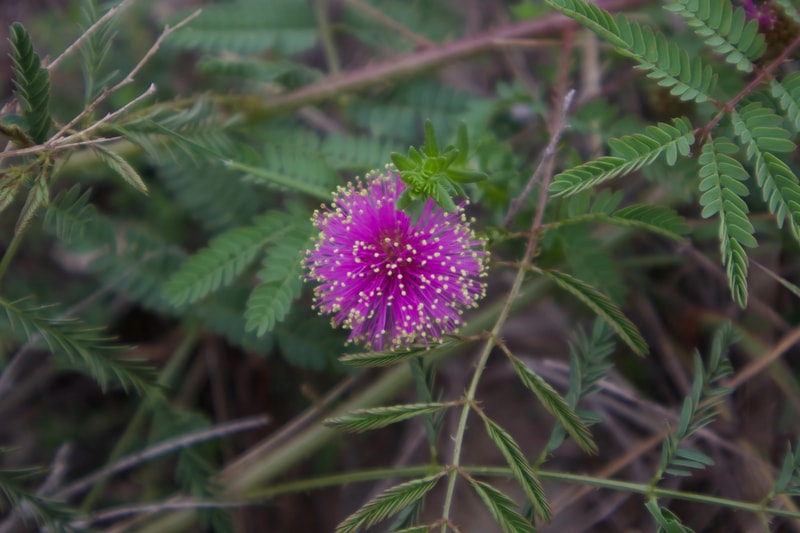
Below are some more pictures of what we saw. You can find out more about these flowers at Lady Bird Johnson Wildflower Center.
Thanks for being here, and thanks for reading.